Your Air Conditioner Is Getting Older
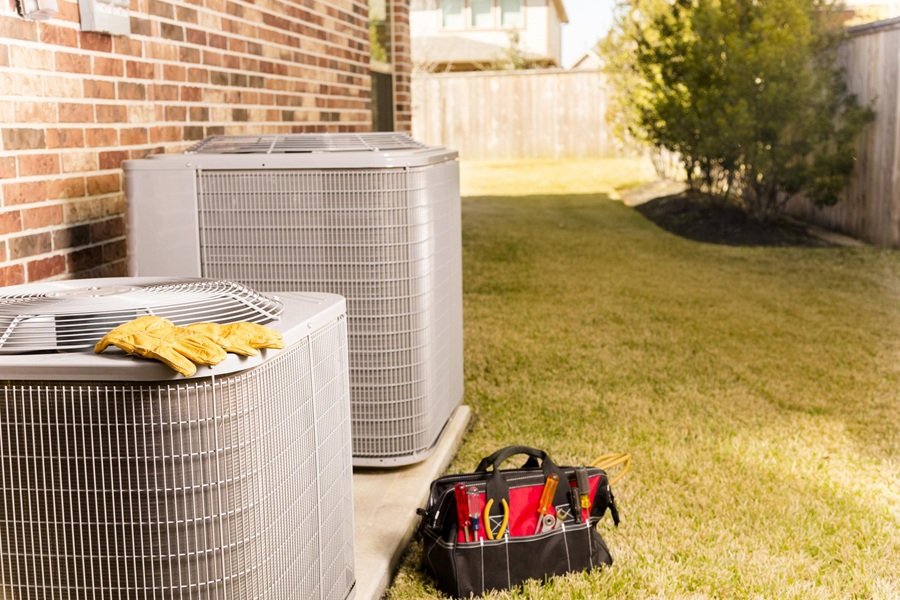
As with any appliance, air conditioners have a finite lifespan. Most residential air conditioning systems are designed to last around 10 to 15 years with proper maintenance. If your unit is approaching or has surpassed this range, it may be time to seriously evaluate whether replacing it is the most cost-effective and efficient option for your home. Here’s what you need to know about aging air conditioners and how their age can impact their performance.
Signs an Aging AC May Need Replacement
Over time, wear and tear on your system can lead to decreased efficiency and reliability. Consider these signs that age might be catching up with your unit:
– Frequent Repairs: Older units often require more frequent servicing as components begin to fail or wear out.
– Declining Efficiency: An older AC may struggle to maintain the same cooling capacity it did when new, leading to longer run times and higher energy bills.
– Obsolete Technology: Modern air conditioners are significantly more energy-efficient due to advancements in technology, such as variable speed compressors and smart thermostats. If your system predates these innovations, it may be costing you more than necessary.
– Refrigerant Phase-Outs: Many older units use refrigerants like R-22 (commonly known as Freon), which has been phased out due to environmental concerns. Servicing these systems is becoming increasingly expensive as the refrigerant becomes scarce.
Factors Contributing to System Longevity
While age is a major factor in determining whether an AC needs replacement, other elements can influence its lifespan:
1. Quality of Installation: A poorly installed system can lead to premature failure regardless of its age or brand quality.
2. Maintenance History: Regularly scheduled maintenance, such as filter changes and coil cleanings, can extend the life of an air conditioner.
3. Usage Patterns: Systems that are used heavily throughout the year will naturally wear down faster than those used less frequently or only seasonally.
Comparing Costs: Repairing vs Replacing
| Decision Factor | Repair Option | Replacement Option |
| Initial Cost | Lower upfront cost | Higher upfront cost |
| Long-Term Expense | Frequent repairs add up over time | Improved efficiency lowers bills |
| Reliability | May continue breaking down | Offers long-term peace of mind |
| Energy Savings | No significant improvement | New models save on electricity |
If repair costs exceed 50% of what a new unit would cost—or if your current system is older than 10-15 years—it’s often better financially to replace rather than repair.
Benefits of Upgrading from an Aging Unit
Replacing an aging air conditioner doesn’t just eliminate repair headaches; it also brings several benefits:
– Improved comfort thanks to better cooling output and even temperature distribution.
– Enhanced energy efficiency resulting in lower utility bills over time. – Quieter operation due to advancements in compressor technology and fan design. – Compatibility with smart home systems for greater control over indoor climate settings.
Paying attention to the age of your system ensures you’re not caught off guard by sudden breakdowns during peak cooling seasons—keeping both your home comfortable and your financial planning intact without unnecessary surprises.
Rising Energy Bills Despite Regular Use
One of the most prominent signs that your air conditioner may need to be replaced is a noticeable increase in your energy bills, even when your usage habits haven’t changed. An inefficient or aging air conditioning system often works harder to maintain the same level of cooling, consuming more energy over time. Let’s break down why this happens and what you can do about it.
Why Energy Bills Rise
There are several reasons why an air conditioner begins to lose efficiency:
– Worn-Out Components: Over time, critical components like the compressor, condenser coils, and blower motors can wear out and lose their ability to operate optimally. This forces the system to run longer cycles, consuming more power.
– Refrigerant Issues: If your AC has a refrigerant leak or is running on outdated refrigerants such as R-22 (phased out in favor of environmentally friendly alternatives), it won’t function efficiently.
– Dirty Filters or Coils: A buildup of dust and debris on key parts like air filters and evaporator coils restricts airflow, making it harder for the system to cool your home effectively.
– Outdated Technology: Older models lack advanced energy-saving features found in modern systems, such as variable-speed compressors or smart thermostats that adjust settings automatically for maximum efficiency.
Signs It’s Time for an Upgrade
- SEER Rating Dropping Below Standards: The Seasonal Energy Efficiency Ratio (SEER) measures how efficiently an AC cools a space relative to its power consumption. Older systems tend to have lower SEER ratings compared to modern units with higher energy-efficiency standards.
- Consistent Year-on-Year Bill Increases: If your monthly cooling costs are climbing steadily despite routine maintenance and unchanged usage patterns, this indicates inefficiency that cleaning alone won’t fix.
| Typical SEER Ratings | Description | Potential Savings |
| 13–15 (Older Units) | Low Efficiency; Common in Pre-2010 Units | Minimal savings |
| 16–20+ (Modern Units) | High Efficiency; Meets Current Industry Standards | Up to 30% reduction in energy use |
- Frequent Cycling On and Off: Sudden short cooling cycles not only create uneven comfort but also waste electricity by overworking the compressor.
Practical Tips for Managing Rising Costs
- Schedule Professional Maintenance: A technician can clean dirty components, repair minor issues like leaks, and ensure refrigerant levels are correct.
- Upgrade Insulation: Improve attic insulation or seal drafty windows and doors so your cooled air isn’t escaping unnecessarily.
- Install a Programmable Thermostat: Set specific cooling schedules while you’re away from home.
When Replacement Is Your Best Option
If rising costs persist despite regular maintenance or if repairs become increasingly frequent and expensive, replacing your unit might offer long-term savings. Upgrading to an ENERGY STAR-certified model can reduce annual cooling costs significantly while improving overall performance.
By addressing issues contributing to higher energy bills promptly—whether through maintenance improvements or investing in a new system—you’ll not only restore comfort but also enjoy greater efficiency tailored for today’s standards of living.
Rising Energy Bills Despite Regular Use
One of the clearest signs that your air conditioner might need to be replaced is a noticeable increase in energy bills, even when your usage habits haven’t changed. If your AC is operating inefficiently, it consumes more power to deliver the same level of cooling—or worse, it fails to maintain comfort while still driving up costs. Understanding why this happens and what you can do about it is crucial for both comfort and budgeting.
Why Energy Bills May Be Rising
- Decreased Efficiency Over Time: Older models naturally lose efficiency as components wear down. Even with regular maintenance, years of operation can reduce performance.
- Outdated Technology: If your unit was designed more than a decade ago, it likely doesn’t meet modern energy-efficiency standards such as SEER (Seasonal Energy Efficiency Ratio). Newer models are designed to cool effectively while using less energy.
- Leaking Refrigerant: Low refrigerant levels force the unit to work harder to cool your home. This not only raises energy consumption but also fails to provide balanced cooling.
- Clogged or Dirty Components: Dirty evaporator coils, clogged filters, or blocked vents disrupt airflow and overburden the system, causing spikes in electricity usage.
Signs That Your AC Is Causing High Energy Costs
- Bills Have Increased Suddenly: If you compare seasonal bills from year to year and notice sudden spikes without any change in usage patterns, your AC could be the problem.
- Extended Run Times: Is the system running longer than usual just to cool rooms? Excessive runtime indicates inefficiency and higher operational costs.
- No Improvement After Maintenance: Professional tune-ups help with maintenance-related declines but won’t reverse age-related inefficiency if the system is simply worn out.
- Warm Air Instead of Cool Air: If warm air blows from vents occasionally or inconsistently, this forces the system to compensate by working harder—and consuming more power.
Steps To Address Rising Energy Costs
- Schedule Professional Diagnostics: A technician can pinpoint whether issues like refrigerant leaks or motor wear are contributing to higher bills.
- Replace Filters Regularly: Clogged filters are a common culprit behind restricted airflow that leads directly to inefficiency.
- Seal Leaks in Ductwork: Leaky ducts reduce cooling efficiency by losing conditioned air into unoccupied spaces like attics or basements.
- Use a Programmable Thermostat: Optimize cooling schedules so that the system isn’t overworking during times when no one is home.
When Replacement Is Necessary
| Age of Unit | Recommended Action |
| Under 10 years | Focus on repairs/maintenance |
| 10–15 years | Consider upgrading depending on efficiency needs |
| Over 15 years | Replacement strongly recommended |
Upgrading may feel like an upfront expense but offers long-term savings thanks to improved technology and lower monthly bills.
Modern systems feature advanced components such as variable-speed compressors and smart thermostats—the kind of technology that wasn’t available in older models—to significantly reduce overall consumption while improving comfort levels throughout your home.
By addressing rising energy costs promptly—whether through maintenance or replacement—you’ll not only save money but also ensure consistent indoor comfort throughout every season without unnecessary strain on your wallet or environmental resources.
Uneven Cooling and Persistent Comfort Problems
One of the clearest indicators that your air conditioner may need to be replaced is when it struggles to maintain consistent cooling throughout your home. Uneven cooling and persistent comfort issues are not just inconvenient; they can also signal underlying problems with the system that might not be cost-effective to repair. Understanding these signs can help you decide whether it’s time for an upgrade.
Signs of Uneven Cooling
- Hot and Cold Spots: Some rooms in your home might feel overly warm while others are too cold, even when the thermostat is set correctly.
- Long Cooling Cycles: If it takes much longer for certain areas to reach a comfortable temperature, the AC system may struggle with efficiency.
- Inconsistent Airflow: Varying airflow strength from vents in different rooms may point to ductwork issues or a failing blower motor.
These symptoms often indicate that your air conditioner is either improperly sized for your home or experiencing wear and tear that’s hindering its performance.
Possible Causes
- Aging System Components: Over time, parts like compressors, fans, or coils wear down and lose efficiency.
- Ductwork Problems: Leaks, blockages, or poorly designed ducts can disrupt airflow and lead to temperature disparities across rooms.
- Improper Sizing: An AC unit that’s too small will struggle to cool large spaces effectively, while an oversized unit might short cycle and fail to distribute air evenly.
- Thermostat Placement: A thermostat located in a poorly positioned part of the house (e.g., near windows with direct sunlight) can misread temperatures and cause uneven cooling.
Why Replacement May Be More Cost-Effective
- More uniform cooling across all spaces.
- Lower energy bills due to improved efficiency.
- Advanced technologies like zoning systems for customized comfort control.
Practical Tips for Addressing Comfort Issues
- Schedule an HVAC inspection to assess whether repairable issues (e.g., duct leaks) are causing uneven cooling.
- Ensure vents are unobstructed by furniture or debris for optimal airflow.
- Evaluate insulation levels in your home; poor insulation can exacerbate uneven temperatures.
- Discuss options for upgrading to a properly sized AC unit if replacement becomes necessary.
When selecting a new air conditioning system, prioritize models with advanced features like variable-speed motors and smart thermostats that enhance comfort consistency across every room in your home.
By addressing uneven cooling proactively, you can restore comfort efficiently while planning ahead for future needs rather than dealing with constant short-term fixes that increase costs over time.
How to Choose the Right Replacement Air Conditioner
When it becomes clear that your air conditioner is no longer meeting your needs, selecting the right replacement system is crucial. A well-chosen air conditioner will improve efficiency, reduce costs, and ensure comfort in your home for years to come. Below are some important factors to consider when evaluating your options.
Assess Your Home’s Cooling Needs
- Square Footage: Measure your home’s square footage to calculate the required cooling capacity. Oversized systems may increase energy costs, while undersized units won’t provide adequate comfort.
- Climate Considerations: If you live in a hotter or more humid area, look for an air conditioner designed specifically for such conditions.
- Insulation Levels: Homes with poor insulation may require a more powerful system to maintain consistent temperatures.
Compare Energy Efficiency Ratings
- SEER Rating (Seasonal Energy Efficiency Ratio): Higher SEER ratings indicate greater energy efficiency. Modern systems often have a minimum SEER rating of 13, but opting for 16 or higher can result in significant long-term savings.
- ENERGY STAR Certification: Systems with this certification meet strict efficiency standards set by the U.S. Environmental Protection Agency (EPA).
| Efficiency Metric | What It Indicates | Recommendation |
| SEER Rating | Seasonal performance and energy use | Aim for 16+ |
| ENERGY STAR Certification | Meets stringent energy-saving criteria | Look for certified models |
Consider Advanced Features
- Smart Thermostats: These allow you to control temperature settings remotely using your smartphone or other devices.
- Variable-Speed Compressors: Systems with variable-speed technology adjust their output dynamically, ensuring even cooling and reducing energy waste.
- Air Quality Enhancements: Some models include built-in filters or UV light technology that improve indoor air quality by removing allergens and bacteria.
Evaluate Installation Requirements
- Determine whether existing ductwork needs repairs or upgrades.
- Ensure correct sizing of the unit so it fits within available space.
- Confirm all electrical requirements are compatible with your new system.
Budget Wisely
- Take into account both upfront costs and potential long-term savings on energy bills.
- Look into financing options or available rebates from manufacturers or local utility companies.
- Avoid focusing only on the lowest bid from contractors; prioritize quality workmanship instead.
By carefully considering these factors—your home’s needs, energy efficiency ratings, included features, installation requirements, and overall budget—you’ll be well-equipped to choose an air conditioning system that meets both short-term expectations and long-term goals effectively without compromising comfort or running up excessive costs over time.