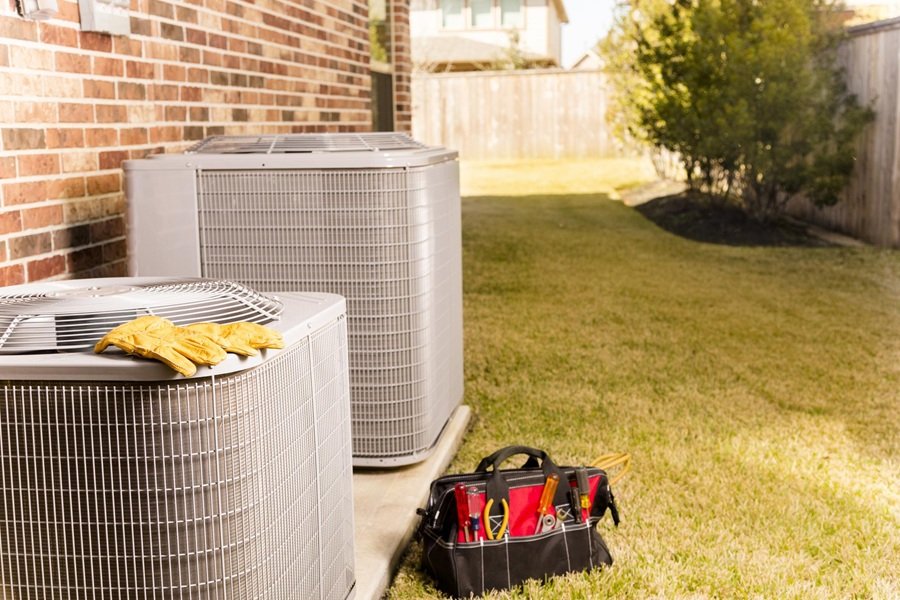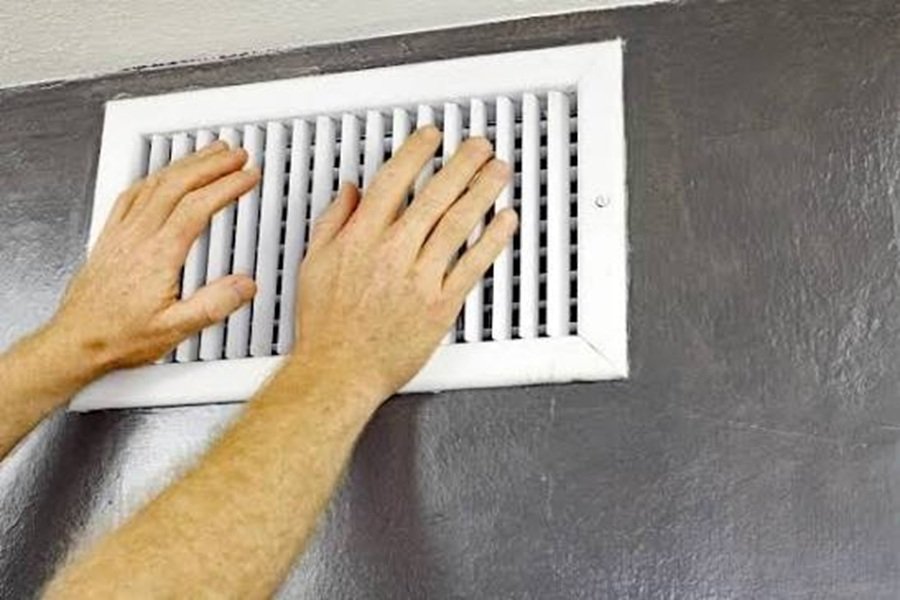
Understanding how thermostats work and making mindful adjustments can help optimize energy use while keeping your home comfortable.
- Energy Waste: Lowering the thermostat significantly forces your air conditioning (AC) unit to run longer cycles, consuming more electricity than necessary.
- System Wear and Tear: Overworking your AC by keeping the temperature too low can shorten its lifespan, leading to costly repairs or replacements.
- Comfort vs. Cost Misconception: Many believe that colder settings yield greater comfort, but most people acclimate quickly to moderate temperatures.
Ideal Thermostat Temperature Settings
- During summer days when you’re home: Set the thermostat to 78°F (25°C)for optimal cooling.
- When you’re away from home for extended periods: Increase the setting by 7–10°F.85°F and 88°F, depending on outdoor conditions.
- At night: Experiment with raising or lowering the temperature slightly based on personal comfort—some people sleep better at cooler temperatures, while others require less cooling overnight.
Tips for Efficient Cooling Without Extreme Temperatures
- Keep Blinds Closed During Peak Sunlight Hours: Using blackout curtains or reflective window films can prevent solar heat from warming your indoor spaces.
- Install Ceiling Fans: Ceiling fans create airflow that helps rooms feel cooler without requiring you to drop the thermostat setting. Make sure fans rotate counterclockwise in summer for maximum effectiveness.
- Focus on Humidity Control: High humidity levels make warmth feel more oppressive. Dehumidifiers or HVAC systems with built-in humidity control add comfort without excessive cooling.
| Thermostat Temperature | Energy Savings Potential | Comfort Level |
| 78°F | High | Comfortable for most individuals |
| Below 70°F | Low | Overcooling; potential discomfort |
| Above 80°F | Moderate | Might feel warm but manageable |
Additional Smart Home Options
- Smart Thermostats: Devices such as Nest or Ecobee analyze patterns in your usage and adjust settings automatically for efficiency.
- Zoned Cooling Systems: These allow different areas of your home to be cooled at different temperatures—ideal for larger homes where not all spaces need equal cooling.
By avoiding overly low thermostat settings and applying simple energy-saving strategies, you’ll protect both your wallet and your AC system without sacrificing comfort during hot summer months.
Ignoring Air Leaks Around Doors and Windows
Air leaks around doors and windows are a significant yet often overlooked source of energy inefficiency in homes, especially during the summer months. These leaks allow cooled air to escape while letting in warm outdoor air, forcing your HVAC system to work harder. This results in higher energy bills and puts unnecessary strain on your cooling equipment.
Identifying Air Leaks
Detecting air leaks is the first step toward solving the problem.
– Visual Inspection:Look for gaps or cracks around window frames, door frames, and baseboards.
– Smoke Test:Light a stick of incense or a candle and hold it near suspected leak areas on a windy day. If the smoke moves erratically, there’s likely an air leak.Feel for Drafts:On particularly hot days, stand near doors and windows to sense if warm outside air is infiltrating your home.
Common Areas Prone to Leaks
Some parts of your home are more likely than others to have air leaks: – Window sashes and frames
– Exterior doors (particularly old or worn weatherstripping)
– Baseboards
– Electrical outlets on exterior walls
– Attic access doors
Simple Fixes for Air Leaks
Sealing air leaks is relatively inexpensive compared to long-term energy costs.
| Problem Area | Solution | Estimated Cost |
| Gaps around windows | Apply caulk for small gaps; use weatherstripping for larger ones | $10-$20 per window |
| Door Frames | Install new weatherstripping or door sweeps | $15-$30 per door |
| Attic hatch | Add foam sealant or install an insulated cover | $20-$50 |
| Electrical outlets | Use outlet gaskets behind faceplates | $5-$10 per pack |
Long-Term Benefits of Sealing Air Leaks
- Lower Energy Bills- Reducing unnecessary energy loss means less work for your HVAC system.
- Improved Comfort- Sealed doors and windows lead to consistent indoor temperatures without drafts.
- Increased Lifespan of Cooling Equipment- Less strain on your HVAC system translates into fewer repairs and replacements over time.
- Enhanced Indoor Air Quality- Proper sealing prevents outdoor pollutants like dust, pollen, and insects from entering.
Ignoring air leaks can be costly in the long run. Regular maintenance, along with sealing cracks as they appear, ensures that your home remains energy-efficient during the hottest months of the year. By taking these steps now, you’ll create a more comfortable environment while reducing utility expenses significantly over time.
Skipping AC Filter Changes and Maintenance
Regular air conditioner maintenance is one of the most overlooked aspects of home energy efficiency during the summer. Neglecting to change or clean your AC filters and skipping routine maintenance can lead to higher energy bills, reduced cooling efficiency, and even costly repairs.
Why AC Filters Matter
Air conditioner filters play a critical role in maintaining proper airflow and indoor air quality. Over time, these filters collect dust, pollen, pet dander, and other airborne particles.
- The AC system must work harder to push air through clogged filters.
- Energy usage spikes as the system struggles to maintain desired temperatures.
- Poor airflow leads to uneven cooling throughout your home.
- Indoor air quality worsens due to recirculated contaminants.
How Often Should You Change Filters?
The frequency of filter changes depends on several factors such as household size, pets, allergies, and general air quality in your area.
| Filter Type | Replacement Frequency |
| Basic fiberglass filters | Every 30 days |
| Pleated high-efficiency filters | Every 60–90 days |
| HEPA filters | Every 6–12 months (check manufacturer recommendations) |
If you have pets or allergies, consider checking filters more frequently.
Routine Maintenance: A Must for Efficiency
Aside from changing the filter, regular AC maintenance is essential to keep your system running efficiently during peak summer months. Tasks like cleaning condenser coils, inspecting refrigerant levels, and ensuring proper drainage can significantly extend the lifespan of your unit.
A professional inspection once a year is recommended for optimal performance.
- Inspect ductwork for leaks or blockages.
- Calibrate the thermostat for accurate readings.
- Lubricate moving parts to reduce wear and tear.
- Identify potential issues before they escalate.
Signs Your AC Needs Immediate Attention
- Warm air blowing from vents despite setting the thermostat correctly.
- Unusual noises such as grinding or rattling coming from the unit.
- A sudden spike in energy bills without increased usage patterns.
- Excess humidity inside your home.
Addressing these issues promptly can prevent costly breakdowns during scorching summer days.
Practical Tips for Homeowners
- Set reminders:Schedule monthly checks on your calendar to inspect or replace filters.
- Use high-quality filters:Opt for pleated or HEPA-grade options if within budget; they last longer and offer better filtration.
- Keep outdoor units clear:Trim vegetation around outdoor condensers to prevent obstruction of airflow.
- Monitor seasonal changes:Adjust maintenance routines based on how often you’re using cooling systems (e. g. , more frequent use during heat waves).
By staying proactive with filter changes and regular maintenance checks, you’ll not only enhance comfort but also save money on unnecessary energy expenses over time.
Overlooking Poor Insulation and Attic Ventilation
When it comes to managing summer energy costs, poor insulation and attic ventilation are often overlooked contributors to inefficiency. These two factors play a crucial role in maintaining a comfortable indoor temperature and keeping energy bills under control. Ignoring them can lead to unnecessary energy consumption and increased cooling costs.
Why Insulation Matters
Insulation acts as a barrier that slows the transfer of heat between the outdoors and your home. Inadequate or aging insulation allows hot air to penetrate your living spaces, forcing your cooling system to work harder to maintain a comfortable indoor environment. This not only increases energy use but also shortens the lifespan of your air conditioning unit.
- Attics: Heat rises, so attics are one of the most critical areas that require proper insulation.
- Walls: Exterior walls without adequate insulation allow heat transfer.
- Floors above unconditioned spaces: Rooms above garages or crawl spaces are prone to temperature fluctuations.
Importance of Proper Attic Ventilation
Attic ventilation works hand-in-hand with insulation by allowing excess heat and moisture to escape from your home. Without proper airflow, an attic can act as a heat trap, significantly raising indoor temperatures.
- Prevents moisture problems caused by condensation, which can lead to mold growth and structural damage.
- Extends the life of roofing materials by preventing excessive heat exposure.
Signs of Poor Insulation or Ventilation
If you’re unsure whether these areas need attention, look for common warning signs: – Rooms feel unevenly cooled despite using central air conditioning. – A noticeable spike in energy bills during summer months. – Excessively hot attic spaces. – Visible gaps or deterioration in existing insulation materials.
Practical Steps for Improving Insulation and Ventilation
Addressing these issues doesn’t have to be overwhelming or costly. Here are some practical tips: 1.Upgrade Insulation: Choose high-quality materials like fiberglass, spray foam, or cellulose for better thermal resistance (measured by R-value). Higher R-values provide better insulating power. 2.Seal Gaps: Use weatherstripping or caulking around windows, doors, and vents to prevent conditioned air from escaping. 3.Install Ridge Vents or Soffit Vents: These allow for continuous airflow through your attic space while reducing heat buildup. 4.Add an Attic Fan: An electric-powered fan can further optimize ventilation by actively expelling hot air from the attic.
| Material Type | Average Cost Per Square Foot | R-value Per Inch |
| Fiberglass Batts | $0.30–$1 | 2.9–3.8 |
| Spray Foam | $1–$3 | 6–7 |
| Cellulose | $0.50–$2 | 3–4 |
Long-Term Benefits
Investing time into improving insulation and ventilation now will yield significant long-term benefits: – Lower utility bills due to reduced demand on HVAC systems. – A more comfortable home environment with consistent temperatures throughout all rooms. – Improved property value through enhanced energy efficiency.
By addressing poor insulation and ensuring adequate attic ventilation, homeowners can avoid one of the most costly summer energy mistakes while creating a more sustainable living space year-round.
Using Appliances During Peak Cooling Hours
One of the most overlooked contributors to high energy bills during summer is running appliances during peak cooling hours. These hours, typically between 2 PM and 7 PM, coincide with when outdoor temperatures are at their highest, placing additional strain on the electrical grid and your home’s cooling systems. Understanding the impact of this habit can help homeowners make smarter choices to reduce energy costs.
Why Timing Matters
When you use major appliances—such as dishwashers, washing machines, or ovens—during peak cooling hours, you not only increase your household’s energy use but also force your HVAC system to work harder.
- Heat-generating appliances like ovens or dryers raise indoor temperatures, causing air conditioning systems to run longer and use more electricity.
- High demand on the electrical grid during these peak hours can result in higher rates for energy usage in areas with time-of-use pricing plans.
- Using multiple energy-intensive devices simultaneously during these periods can contribute to unnecessary wear on your home’s electrical system.
Key Appliances to Avoid During Peak Cooling Hours
Certain appliances consume significant amounts of energy and generate heat when operated.
| Appliance | Energy Draw and Heat Output Impact | Suggested Alternatives |
| Oven/Stovetop | Generates heat that raises indoor temps | Use a microwave, air fryer, or grill outdoors |
| Dishwasher | Releases heat into the kitchen | Run it late at night or early in the morning |
| Clothes Dryer | Produces significant heat indoors | Air-dry clothes or run it in off-peak hours |
| Washing Machine | Uses warm water that indirectly heats air | Wash with cold water early morning or night |
Practical Tips for Reducing Appliance Usage During Peak Hours
- Shift laundry tasks: Plan loads of laundry for early morning or late evening when temperatures are cooler.
- Meal planning: Opt for no-cook meals during peak hours or prepare meals ahead of time using appliances like slow cookers that don’t produce as much heat as ovens.
- Delay dishwasher cycles: Many dishwashers have delay-start features; program them to begin after peak periods end in the evening.
- Invest in efficient appliances: When upgrading appliances, prioritize those labeled Energy Star-certified—they consume less electricity and often generate less residual heat.
Leveraging Smart Home Technology
- Install a smart thermostat that adjusts itself based on time-of-day demand.
- Use smart plugs or timers for major appliances so they operate outside of peak window periods.
- Monitor electricity usage via apps connected to smart meters; this provides real-time insight into how much energy you’re consuming—and when.
By being mindful about when you use certain household devices and making simple changes to your daily routine, you’ll not only lower your summer utility bills but also reduce strain on your cooling systems—and ultimately create a more comfortable living environment without unnecessary expense.
Forgetting About Ceiling Fans and Natural Ventilation
Ceiling fans and natural ventilation are often overlooked tools for keeping your home comfortable during the summer months. Many homeowners either neglect to use ceiling fans effectively or rely solely on air conditioning, which can drive up energy costs unnecessarily. By strategically incorporating these methods, you can enhance comfort while reducing energy consumption.
The Role of Ceiling Fans in Cooling
Ceiling fans do not lower the temperature of a room—they work by creating a wind-chill effect, making you feel cooler by promoting the evaporation of sweat on your skin.Ensure Proper Direction:In summer, set your ceiling fan to rotate counterclockwise. This pushes air downward and creates a cooling breeze.Turn Off When Not in Use:Fans cool people, not rooms. Be sure to turn off the fan when leaving a room to avoid wasting electricity.Use Energy-Efficient Models:Energy Star-rated fans use less electricity and are designed to perform more efficiently.
Harnessing Natural Ventilation
Natural ventilation is another cost-effective way to keep your home cool without relying entirely on energy-consuming appliances. By capitalizing on outside air movement and temperature differences between day and night, you can reduce indoor heat buildup.
– Cross-Ventilation:Open windows or doors on opposite sides of your home to create a pathway for airflow.Night Cooling:If the temperature drops significantly at night, open windows or vents in the evening to let cooler air inside. Close them in the morning before it heats up outside.Shaded Windows:Positioning furniture near shaded windows can further enhance ventilation without exposing interiors to direct sunlight.
| Time of Day | Ventilation Tip |
| Morning | Close windows and curtains/blinds facing east as sunlight intensifies. |
| Afternoon | Limit opening windows unless there’s significant shade or breeze present. |
| Evening | Open windows once outdoor temperatures drop below indoor levels for natural cooling effects. |
Combining Ceiling Fans with Air Conditioning
For maximum efficiency, consider combining ceiling fan usage with air conditioning:
1. Set your thermostat 4-6 degrees higher than usual when using fans together with AC for optimal savings without discomfort. 2. Focus cooling efforts on occupied spaces—for instance, run fans only in areas where people spend most of their time.
Neglecting these simple but powerful tools—ceiling fans and natural ventilation—means missing out on opportunities for noticeable energy savings over the course of summer months while ensuring indoor comfort remains intact throughout changing daily conditions.
How Small Energy-Saving Changes Can Lower Summer Utility Bills
The good news is that small, intentional changes in your energy habits can significantly reduce your summer utility bills. These adjustments not only save money but also contribute to a more sustainable environment.
Evaluate Your Home’s Energy Efficiency
Conducting an energy audit is one of the quickest ways to identify inefficiencies in your home and prioritize areas for improvement. While professional audits are thorough, you can also perform a DIY assessment by checking for common problem areas like drafts, outdated appliances, and inefficient lighting.
- Seal Air Leaks: Inspect windows, doors, and vents for any gaps or cracks that may allow air-conditioned air to escape. Use weatherstripping or caulk to seal these leaks.
- Check HVAC Ducts: Ensure ducts are properly sealed so cooled air is distributed effectively around the house.
Make Smarter Use of Cooling Systems
Cooling systems often account for the largest portion of your utility bills during summer. Optimizing their use doesn’t require sacrificing comfort—it simply means being strategic about how and when you run them.
- Use Ceiling Fans Wisely: Ceiling fans don’t cool rooms; they cool people. Turn them off when you leave a room or combine them with air conditioning for optimal airflow at higher thermostat settings.
| Thermostat Setting Recommendation | Savings Potential |
| 78°F (while home and awake) | Moderate savings |
| 85°F (when away) | High savings |
| 82°F (during sleep) | Balanced comfort & savings |
Rethink Appliance Usage
Many household appliances generate heat and consume significant amounts of energy during peak cooling hours. Altering how and when you use these appliances can help lower both temperature levels indoors and electricity costs.
- Run dishwashers, washing machines, and dryers during early morning or evening hours when temperatures are cooler.
- Avoid using ovens whenever possible; instead, opt for outdoor grilling or no-cook meals like salads.
- Unplug unused electronics—many devices consume “phantom” power even when turned off.
Incorporate Low-Cost Cooling Strategies
Beyond adjusting existing systems, there are plenty of low-cost solutions that can help keep your home comfortable without adding strain on your wallet.
- Install light-colored curtains or blackout shades on south-facing windows to block sunlight during peak hours.
- Plant trees or install awnings outside windows for natural shade.
- Use reflective window films to deflect heat from entering through glass panes.
Long-Term Benefits of Small Changes
Though these adjustments may seem minor individually, their cumulative effect over time generates noticeable results in both cost savings and environmental impact.
- A household implementing three of these strategies—sealing gaps around doors/windows, replacing incandescent bulbs with LEDs, and raising thermostat settings—can see an average reduction of up to 20% on their summer utility bills annually.
By making small yet meaningful changes today, homeowners not only reduce financial strain but also contribute toward creating a more sustainable future for all.